GPS vs Smart Pet Safety: What's the Difference?
Location is one piece of the puzzle. Explore how identity, connection and awareness can work alongside it.
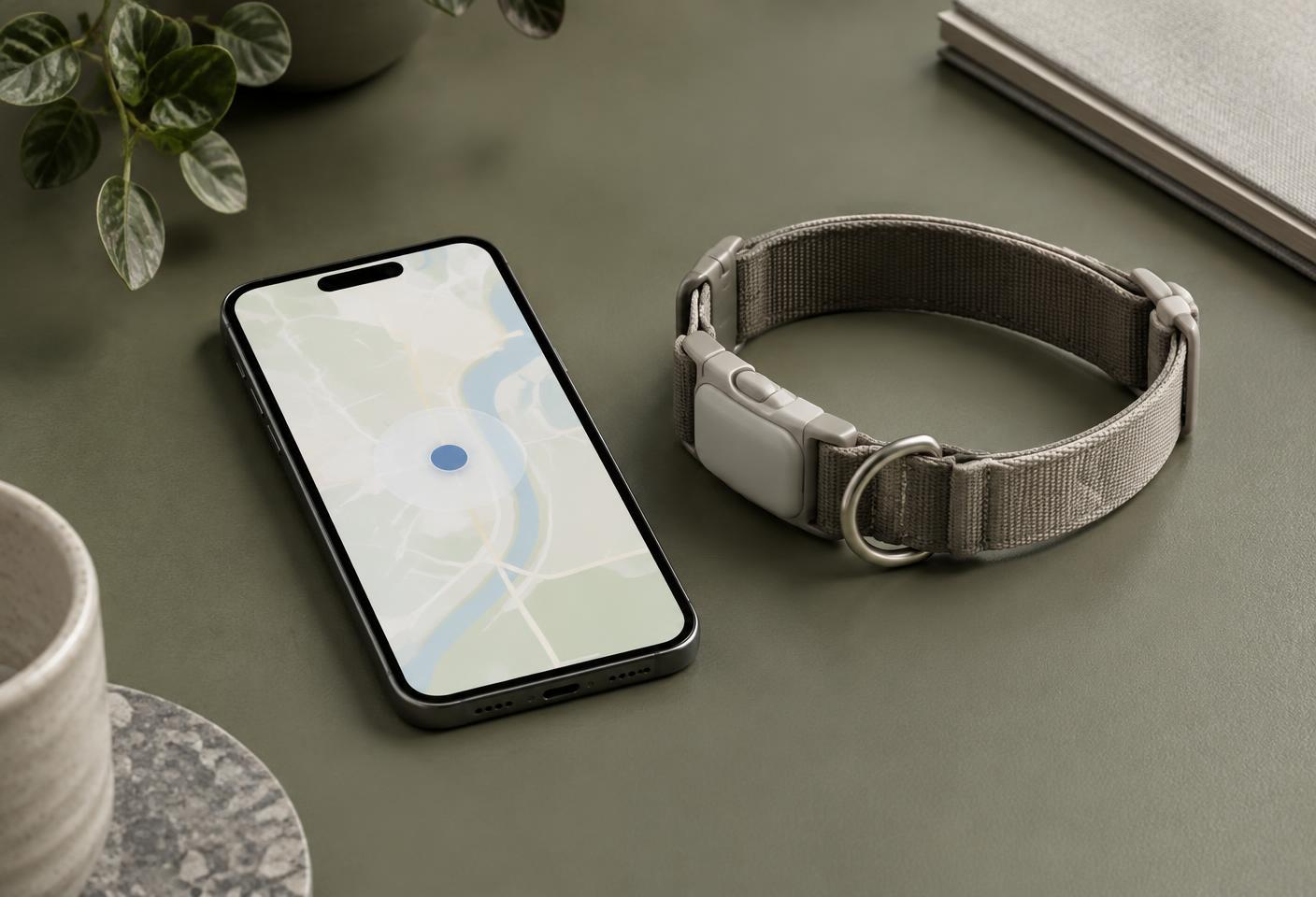
Location is one piece of the puzzle. Explore how identity, connection and awareness can work alongside it.
What GPS can do
GPS is a way to estimate a device’s position using satellites. A connected tracker may use that position to show where your dog was last reported in an app. Accuracy, updates and battery life can vary with the environment, network and device.
It is a helpful tool, but it cannot on its own tell a person who finds your dog how to reach you.
What makes safety smarter
Smart pet safety considers the full journey. Digital identification can make contact details available when someone scans a tag. Activity information can help you notice changes in routine. Security-minded design can make a device more useful in real-world situations.
Each feature has limits. A good system explains them clearly and gives families practical options when connectivity is unavailable.
Choose for your everyday life
Look for clear information about fit, battery use, coverage, privacy and how identification works. Ask what a finder sees and how your information can be updated. The right setup is the one you understand and can keep current.