Why Pet Safety Needs to Go Beyond GPS Tracking
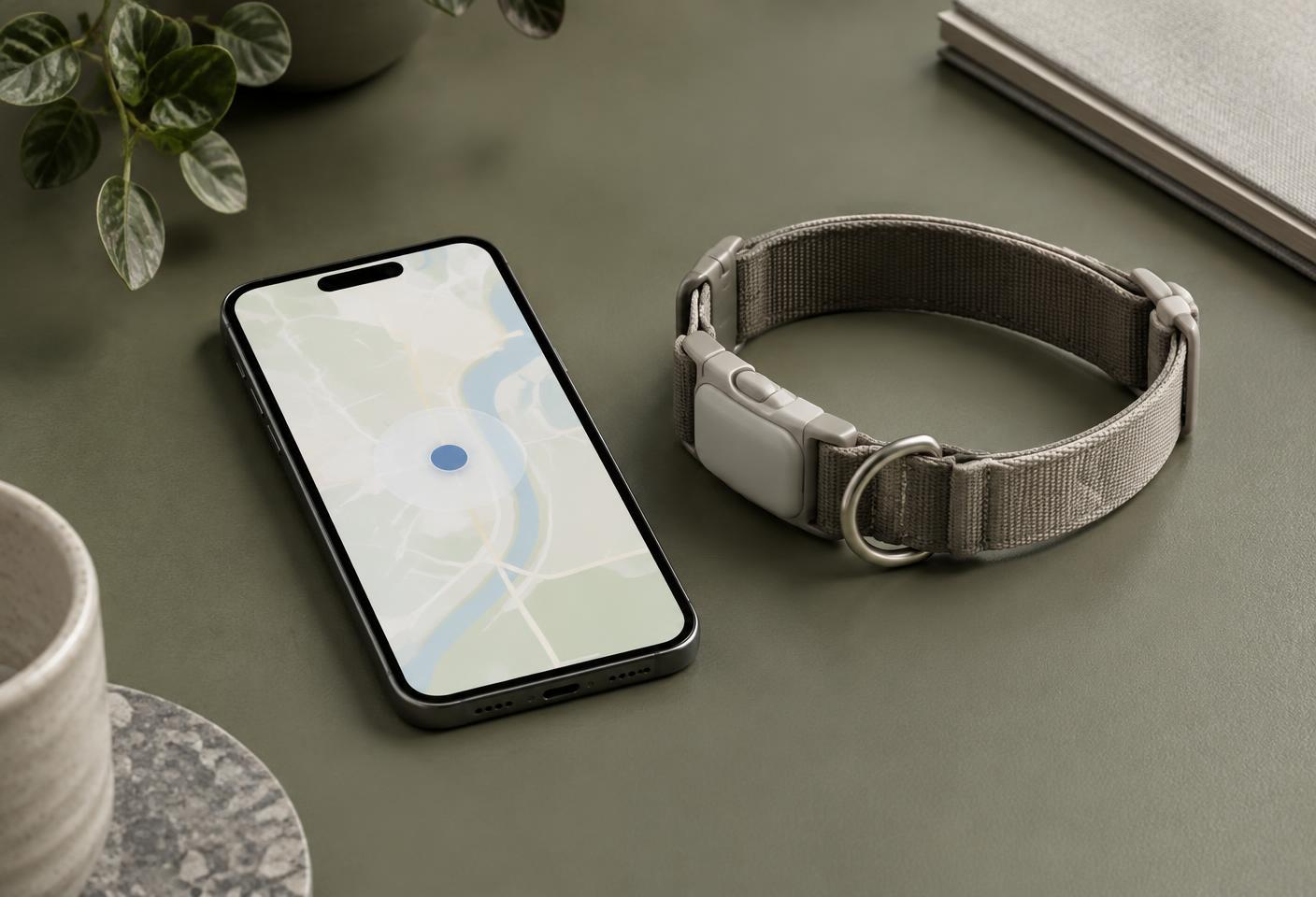
A location pin can tell you where to look. Thoughtful pet safety asks what happens before, during and after a dog goes missing.

A location pin can tell you where to look. Thoughtful pet safety asks what happens before, during and after a dog goes missing.
A location is only the beginning
When a dog slips away, knowing an approximate location can be valuable. But a pin on a map is not the same thing as getting a dog safely home. A collar can come loose, a device can lose connectivity, and the person who finds your dog may not know how to reach you.
The best safety plan combines everyday habits with more than one way for someone to identify and contact a dog’s family.
Think in layers
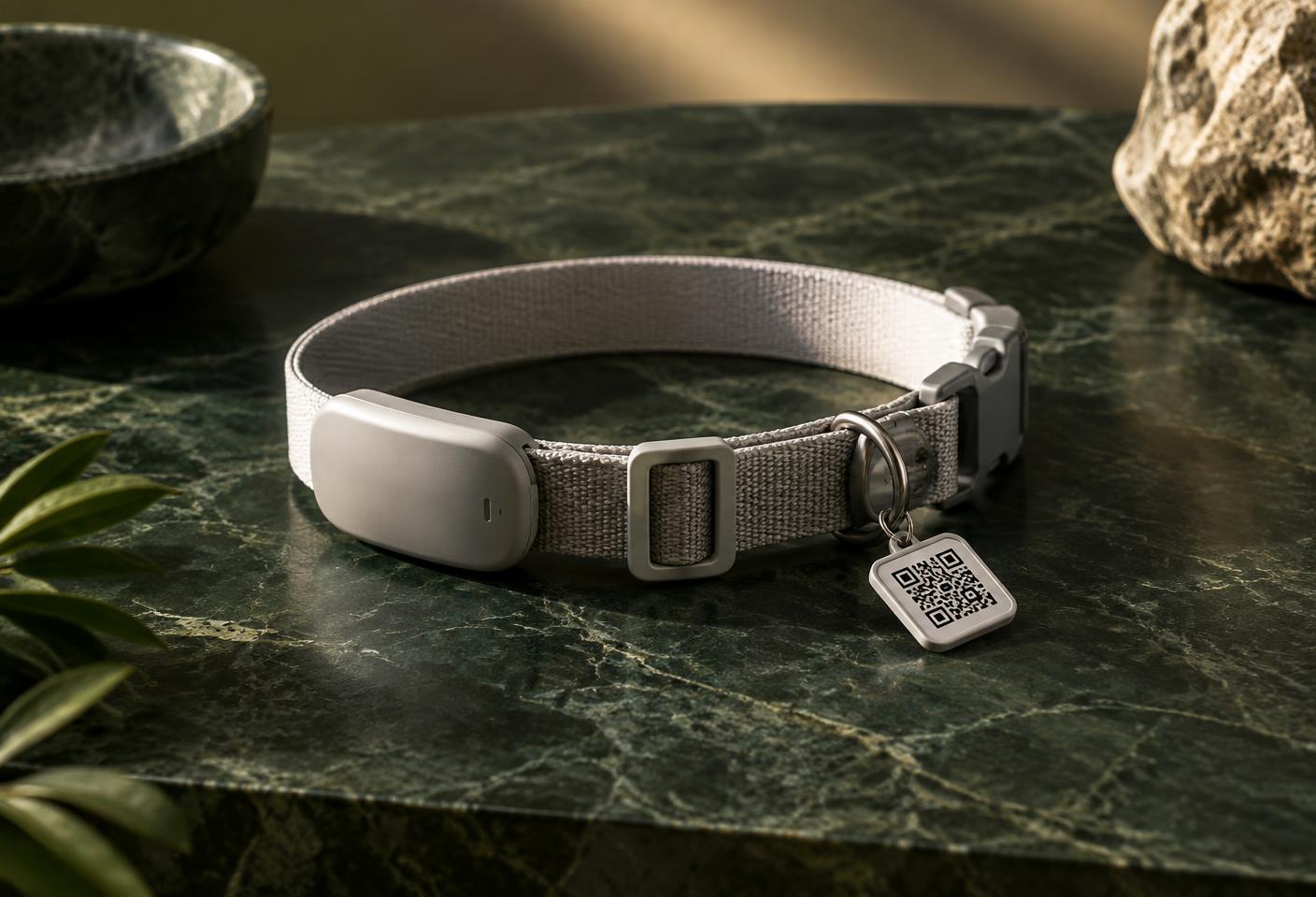
A secure fit, an up-to-date contact number, a readable ID and an accessible digital profile all play different roles. Tracking can help you search; identification can help a stranger help. Neither replaces good recall practice, supervision or checking gates and leads before an outing.
Connected features are most useful when they support the people involved, rather than promise a perfect solution to an unpredictable moment.
A calmer plan for the unexpected
Keep a recent photo of your dog, confirm your contact details regularly and agree on a simple search plan with your household. If your dog is lost, contact local shelters and nearby veterinary clinics while you search safely in the area they were last seen.
At Project Scoopy, we believe smarter pet safety should connect these pieces: location, identity and everyday peace of mind. Our smart safety collar is being developed with that bigger picture in mind.